
blogs
Stay informed with articles that explain Virginia laws and legal rights.

Double Jeopardy in Virginia: When Does Jeopardy Attach and What Happens After a Nolle Prosequi?
Virginia’s double jeopardy laws generally protect defendants from being prosecuted again for the same offense after jeopardy attaches. Learn when jeopardy begins in jury and bench trials, how a nolle prosequi affects a criminal case, and when the Commonwealth may bring charges again.

Defense of Others in Virginia: When Can You Legally Use Force to Protect Another Person?
Virginia recognizes defense of others as a common-law affirmative defense when a person reasonably uses force to protect someone from an imminent threat. Learn how Virginia courts evaluate fault, reasonable belief, necessity, deadly force, and defense-of-others jury instructions.

Reasonable Expectation of Privacy in Virginia: When Does the Fourth Amendment Protect You From a Government Search?
Virginia Fourth Amendment law protects certain privacy and property interests from unreasonable government searches. Learn how courts evaluate reasonable expectations of privacy involving homes, vehicles, cell phones, Flock cameras, GPS tracking, and other forms of modern surveillance.

Virginia THC Sales Law: August 15, 2026 Changes
Virginia’s THC sales laws changed on August 15, 2026, removing the former 25:1 CBD-to-THC exception and establishing a two-milligram total THC package limit for certain hemp products. Learn how the changes affect retailers, employees, and consumers.

Due Process and Reasonable Reliance on Government Assurances in Virginia
Virginia recognizes a limited due process defense when a person reasonably and in good faith relies on an affirmative assurance from a government official that certain conduct is lawful. Learn how the reasonable-reliance defense works under Virginia law.

Self-Defense in Virginia: When Is the Use of Force Legally Justified?
Virginia self-defense law distinguishes between justifiable and excusable self-defense. Learn when force may be legally justified, when retreat may be required, and how Virginia courts evaluate imminent threats and deadly force.

Virginia Juvenile Transfer Hearings Under Va. Code § 16.1-269.1: What Happens When a Juvenile Is Tried as an Adult?
Virginia juvenile transfer hearings can determine whether a felony case remains in juvenile court or moves to circuit court for prosecution as an adult. Learn about the transfer process, statutory factors, appeals, and potential consequences under Va. Code § 16.1-269.1.

Virginia’s Definition of an Abused or Neglected Child: Understanding Va. Code § 16.1-228(2)
Virginia law does not automatically consider a child neglected because a parent allows age-appropriate independent activities without adult supervision. Learn how § 16.1-228(2) applies.

ASSAULT AND BATTERY OF A LAW ENFORCEMENT OFFICER IN VIRGINIA: Can Self-Defense Be Used Against a § 18.2-57(C) Charge?
Can self-defense apply to an assault and battery on a police officer charge in Virginia? Learn about § 18.2-57(C), excessive force, and unlawful arrest.
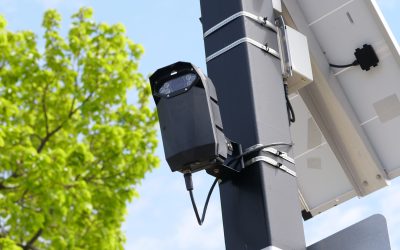
Are Flock Cameras Legal in Virginia?
Are Flock Cameras Legal in Virginia? Virginia Law, Privacy Rights, and the Fourth Amendment Flock cameras have become increasingly common in...