
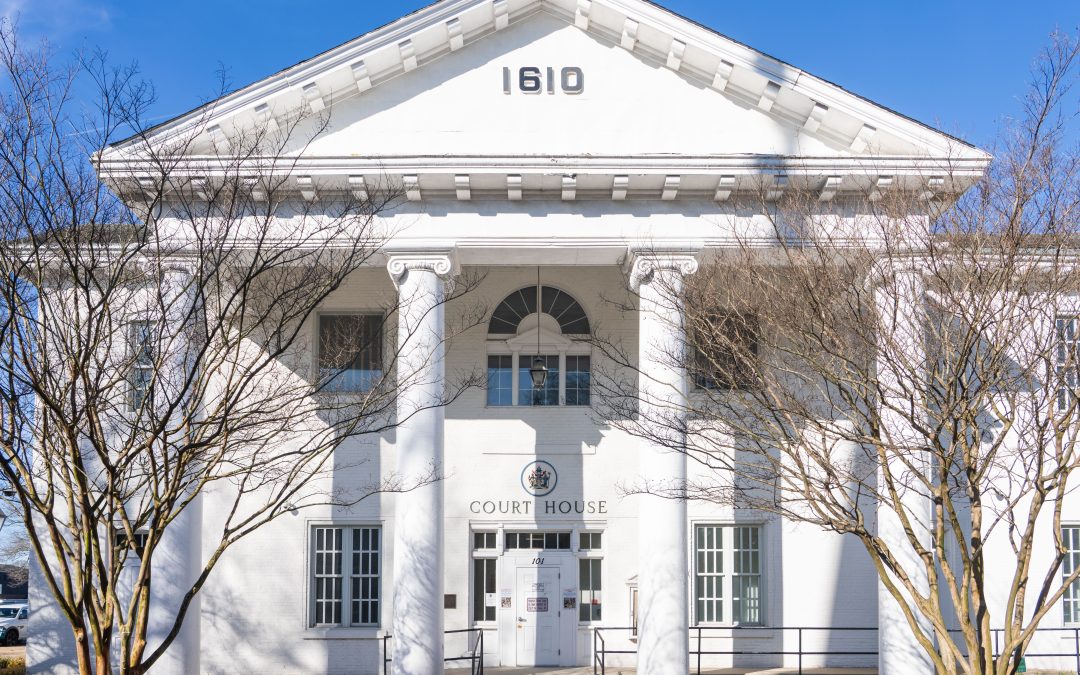
Commonwealth vs. State in Virginia: What’s the Real Difference?
A Hampton Roads & Williamsburg Guide to a Question Every Virginian Gets Asked
The Short Answer
Virginia is a state. Virginia is also a commonwealth. Those two facts are not in tension — “commonwealth” is simply the formal title Virginia uses for itself, while “state” is the broader constitutional category under the U.S. Constitution that Virginia belongs to along with the other 49. Every commonwealth is a state; not every state is a commonwealth.
Four states in the U.S. officially call themselves commonwealths in their state constitutions: Virginia, Kentucky, Massachusetts, and Pennsylvania. Puerto Rico also uses the term, though as a U.S. territory its legal relationship with the federal government is different from that of the fifty states.
Where the Word “Commonwealth” Comes From
The term predates the United States. In 17th-century England, “commonwealth” described a political community organized for the common good of its people, rather than a monarchy ruled purely for the benefit of the crown. When Virginia’s colonial leaders drafted their first state constitution in 1776, they chose “Commonwealth of Virginia” deliberately, signaling a government whose authority flowed from the consent of the governed rather than from royal grant.
That founding-era word choice has stuck for 250 years. It shows up in the title of every Virginia statute, in the caption of every criminal case (you’ll see “Commonwealth v. [Defendant]” instead of “State v. [Defendant]” on Virginia court documents), and in the official name of state agencies.
Does It Change Any Actual Law?
No. This is the point that trips up even long-time Virginia residents. “Commonwealth” is a title, not a distinct legal category recognized by the U.S. Constitution. Virginia has the same relationship to the federal government as California, Texas, or any other state:
In short: if a legal document, statute, or court order says “Commonwealth of Virginia” instead of “State of Virginia,” nothing about your rights, obligations, or the applicable law has changed. It’s the same government, under a different traditional name.
Why This Matters If You’re Facing Criminal Charges in Virginia
This isn’t just trivia — it shows up directly in the paperwork if you or a loved one is ever charged with a crime in Williamsburg, James City County, York County, Newport News, or anywhere else in the Hampton Roads region.
None of this changes your rights under the U.S. Constitution — due process, the right to counsel, protection against unreasonable search and seizure, and so on all apply exactly as they would in any other state. But if you’re reading a summons or indictment for the first time and notice “Commonwealth” language, know that it reflects Virginia’s traditional title, not some special or lesser form of prosecution.
The Other Three Commonwealths — and Puerto Rico
For context, Virginia isn’t alone in this naming tradition:
Frequently Asked Questions
Is Virginia a state or a commonwealth?
Both. Virginia is one of the 50 U.S. states, and “Commonwealth of Virginia” is its official, constitutionally adopted name — a historical title, not a different legal status.
Why does my court paperwork say “Commonwealth” instead of “State”?
Virginia criminal cases are officially captioned “Commonwealth of Virginia v. [Defendant]” because Virginia’s government refers to itself as a commonwealth. It carries the same legal weight as “State of [Name] v. [Defendant]” in other states.
What is a Commonwealth’s Attorney?
A Commonwealth’s Attorney is Virginia’s version of a District Attorney or State’s Attorney — the locally elected prosecutor responsible for bringing criminal charges in a given city or county, such as Williamsburg/James City County, York County, or Newport News.
Does being a commonwealth give Virginia more independence from federal law?
No. Virginia is bound by the U.S. Constitution and federal law exactly as every other state is. “Commonwealth” is a traditional title with no separate constitutional meaning under U.S. law.
Which other states call themselves commonwealths?
Kentucky, Massachusetts, and Pennsylvania also use “commonwealth” as their official title. Puerto Rico uses a related term, but as a U.S. territory it has a different legal relationship with the federal government.
Charged with a Crime in the Commonwealth of Virginia?
Whether your case is captioned as the Commonwealth or the State, facing criminal charges in Williamsburg, James City County, York County, or Newport News is serious, and the process moves quickly. If you or someone you know has been charged, speaking with an experienced Hampton Roads criminal defense attorney early can make a meaningful difference in how the case unfolds.
This article is provided for general informational purposes and does not constitute legal advice. For guidance about a specific case, consult a Virginia criminal defense attorney like the attorneys of Goff Voltin, PLLC.
Recent Comments